Our Short List of 3
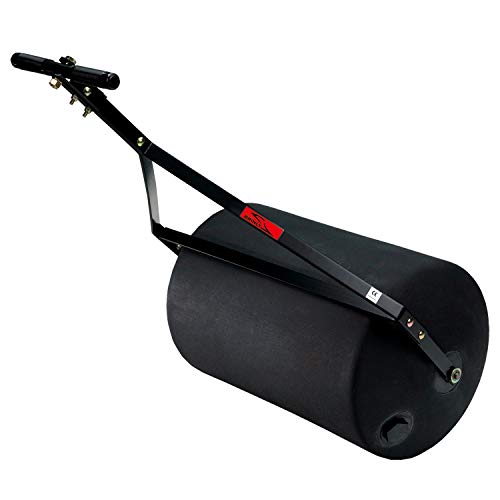
- Best for: Medium lawns with mole damage, frost heaves and newly laid sod that need both push and tow options.
- 270 pound filled weight, 18 by 24 inch poly drum
- Combination push and tow design
- Fills with water or sand
- Easy-turn tethered plug

- Best for: Small lawns, fresh seedbeds and homeowners who want a lighter roller for gentle firming work.
- 18 by 24 inch poly drum
- Holds up to 250 pounds of sand or water
- Push or tow behind a lawn tractor
- Scraper bar for clearing debris from the drum

- Best for: Rough, uneven ground and compacted soil where a rigid steel drum presses harder than poly.
- 61 liter capacity steel drum
- High-carbon steel construction
- 29.2 pounds empty weight
- U-shaped ergonomic handle for push and pull
All 3 Picks at a Glance
| Product | Specs | Action |
|---|---|---|
| Brinly PRC-24BH 270-Pound Combination Push/Tow Poly Lawn Roller |
| Check price on Amazon |
| Agri-Fab 45-0267 18- by 24-Inch Poly Push/Tow Lawn Roller |
| Check price on Amazon |
| VEVOR 61L Steel Yard Roller |
| Check price on Amazon |
Key takeaways
- Compare three lawn rollers for flattening bumps, firming seedbeds and smoothing sod, with poly and steel drums, push and tow options explained.
A bumpy lawn is usually the result of frost heaves, mole tunnels, or soft ground settled unevenly after rain, and a lawn roller is the simplest tool for pressing it flat again. The same drum that smooths bumps also firms freshly sown seed into contact with the soil and presses new sod down so its roots take hold faster. Unlike a rented commercial roller, a homeowner model fills with water, works for an afternoon, then drains for storage until the next season.
This guide compares three lawn rollers sold on Amazon, chosen from the details in their Amazon titles and product pages: a Brinly poly roller that pushes by hand or tows behind a tractor, an Agri-Fab poly roller built for the same dual use at a smaller scale, and a VEVOR steel roller aimed at buyers who want a heavier drum for stubborn ground. Owners of small suburban lawns, people reseeding bare patches, and anyone smoothing sod after installation will each find a different roller fits their yard.
Quick Picks
As an Amazon Associate we earn from qualifying purchases.
| Product | Best for | Key spec from title |
|---|---|---|
| Brinly PRC-24BH 270-Pound Combination Push/Tow Poly Lawn Roller | Medium lawns with mole damage and frost heaves | 270 lb filled weight, 18 by 24 inch drum |
| Agri-Fab 45-0267 18- by 24-Inch Poly Push/Tow Lawn Roller | Small lawns and fresh seedbeds | Holds up to 250 lb of sand or water |
| VEVOR 61L Steel Yard Roller | Heavy smoothing on rough, uneven ground | 61 liter steel drum, 29.2 lb empty |
How to Choose
Drum Material Sets the Weight and the Feel
Polyethylene drums dominate homeowner lawn rollers because they resist rust, shrug off dents, and stay light enough to move when empty. Both the Brinly PRC-24BH and the Agri-Fab 45-0267 use poly drums that fill with water or sand, gaining weight only when the job starts. Steel drums, like the one on the VEVOR 61 liter roller, bring a different character: the rigid shell presses harder into compacted ground and resists flexing under load, but it needs care to avoid rust where the coating gets scratched. Buyers smoothing soft, freshly graded soil will be happy with poly, while anyone working over hard, lumpy ground that has been uneven for years gets more from the unyielding surface of steel.
Push, Tow, or Both Changes the Work Entirely
A push-only roller suits a small lawn where the owner walks every pass, but it becomes exhausting across half an acre. Tow-behind rollers hook to a lawn tractor or ATV and cover large areas quickly, yet they need a machine to pull them and room to turn around. Combination models solve this split: the Brinly and Agri-Fab rollers here both push by hand and tow behind a tractor. Before buying, walk the yard and count the gates, trees and beds the roller must navigate. A tow-only roller is a poor fit for a fenced yard with narrow gates, while a push-only roller wastes an afternoon on a large open property.
Filled Weight Is the Number That Does the Work
An empty roller does almost nothing; the water or sand poured inside supplies the weight that presses bumps flat and firms seed into soil. The Brinly PRC-24BH reaches 270 pounds when filled, the Agri-Fab 45-0267 holds up to 250 pounds, and the VEVOR steel roller takes 61 liters of fill. Heavier is not always better: too much weight on soft spring soil compacts the ground and squeezes air from the root zone, while too little leaves bumps untouched. Sandy soils tolerate heavier rolling, and clay soils need a lighter touch. Start with water, easy to drain if the roller proves too heavy, and switch to sand only when the ground demands more force.
Size, Storage and the Plug Matter More Than Expected
Drum width decides how many passes a lawn needs, and an 18-inch-wide drum covers a typical suburban lawn quickly without growing unwieldy around beds and trees. Wider drums exist for open ground, but they are harder to steer and store. Storage deserves thought: a roller full of water left through winter can crack, so the drum must drain fully and the plug must seal tightly in the shed. Brinly uses an easy-turn tethered plug that stays attached to the drum instead of getting lost, a small detail that matters the first time a plug rolls under a workbench. Measure the shed before ordering, since a 24-inch-wide roller with its handle attached takes more floor space than most buyers expect.
The 3 Best Options
Brinly PRC-24BH 270-Pound Combination Push/Tow Poly Lawn Roller
- Best for: Medium lawns with mole damage, frost heaves and newly laid sod that need both push and tow options.
- 270 pound filled weight, 18 by 24 inch poly drum
- Combination push and tow design
- Fills with water or sand
- Easy-turn tethered plug
Medium lawns with mole damage, frost heaves and newly laid sod that need both push and tow options.
The poly drum must be drained before freezing weather, since water left inside through winter can expand and crack the shell.
Brinly has built lawn attachments for generations, and the PRC-24BH shows why the brand stays popular with homeowners who want one roller for every job. Its 18 by 24 inch poly drum fills with water or sand to reach 270 pounds, enough weight to erase mole ridges and frost heaves without compacting healthy turf. The roller converts between push and tow modes, so a small front lawn gets walked by hand while a larger back lawn gets pulled behind a tractor. A tethered easy-turn plug stays attached to the drum, and the steel frame and handle hold up to season after season of use.
Watch out for: The poly drum must be drained before freezing weather, since water left inside through winter can expand and crack the shell.
Agri-Fab 45-0267 18- by 24-Inch Poly Push/Tow Lawn Roller
- Best for: Small lawns, fresh seedbeds and homeowners who want a lighter roller for gentle firming work.
- 18 by 24 inch poly drum
- Holds up to 250 pounds of sand or water
- Push or tow behind a lawn tractor
- Scraper bar for clearing debris from the drum
Small lawns, fresh seedbeds and homeowners who want a lighter roller for gentle firming work.
The lighter filled weight means very stubborn bumps may need several passes, and the scraper bar needs occasional adjustment to stay close to the drum without dragging.
The Agri-Fab 45-0267 covers the same ground as the Brinly at a slightly lighter filled weight, which suits smaller lawns and the delicate work of firming seedbeds. Its 18 by 24 inch poly drum holds up to 250 pounds of sand or water, and a scraper bar mounted behind the drum clears mud and debris so the roller keeps turning smoothly. Like the Brinly, it pushes by hand or tows behind a tractor, so the owner chooses the mode that fits the area. The rugged poly construction resists dents and rust, and the simple design has few parts to wear out over years of seasonal use.
Watch out for: The lighter filled weight means very stubborn bumps may need several passes, and the scraper bar needs occasional adjustment to stay close to the drum without dragging.
VEVOR 61L Steel Yard Roller
- Best for: Rough, uneven ground and compacted soil where a rigid steel drum presses harder than poly.
- 61 liter capacity steel drum
- High-carbon steel construction
- 29.2 pounds empty weight
- U-shaped ergonomic handle for push and pull
Rough, uneven ground and compacted soil where a rigid steel drum presses harder than poly.
Steel needs more care than poly, so check the coating for scratches after each season and keep the drum dry in storage to hold rust at bay.
VEVOR takes the steel route with a 61 liter drum built from high-carbon steel, giving buyers a roller that presses hard into rough ground without flexing. The drum fills with sand or water, and at 29.2 pounds empty it stays manageable to move into position before filling. A U-shaped ergonomic handle supports pushing and pulling, and an easy-turn plug makes filling and draining straightforward. The powder-coated surface and stainless steel clamps resist corrosion, which matters for a steel drum that lives in a damp shed. This is the roller for ground that poly drums merely glide over.
Watch out for: Steel needs more care than poly, so check the coating for scratches after each season and keep the drum dry in storage to hold rust at bay.
Which One Fits Your Situation
Smoothing Mole Tunnels and Frost Heaves on a Medium Lawn
Pick the Brinly PRC-24BH. Its 270 pound filled weight is enough to press mole ridges and frost heaves flat in a pass or two, and the combination push and tow design lets the owner walk tight areas by hand and tow the open stretches behind a tractor. The tethered plug stays put, and the poly drum will not rust through seasons of damp storage.
Firming Fresh Seed or New Sod on a Small Yard
Pick the Agri-Fab 45-0267. Its lighter 250 pound maximum weight firms seed into soil contact and presses sod down without crushing young roots or over-compacting the ground. The scraper bar keeps the drum clean while rolling over fresh seedbeds, and the push handle makes it easy to work carefully around new plantings.
Flattening Rough, Lumpy Ground That Has Been Uneven for Years
Pick the VEVOR 61 liter steel roller. The rigid high-carbon steel drum does not flex the way poly does, so it bears down on hard lumps and compacted ridges that lighter rollers skip over. Fill it with sand for maximum weight on the worst patches, and use the U-shaped handle to steer it precisely around trees and beds.
One Roller for a Large Property with a Tractor
Pick the Brinly PRC-24BH. Tow mode behind a lawn tractor covers a large property far faster than walking, and the 24-inch drum width balances coverage with the ability to turn around trees and garden beds. Draining the drum after use keeps it light enough to store, and the steel frame handles the bumps of tow work season after season.
Common Mistakes
- Rolling a lawn when the soil is soaking wet, which compacts the ground and damages grass roots instead of smoothing bumps.
- Filling the drum to maximum weight on the first pass, then finding the roller too heavy to steer around beds and trees.
- Leaving water in the drum over winter, which can crack a poly shell or rust a steel one from the inside.
- Rolling only in one direction, which pushes bumps sideways instead of flattening them evenly across the lawn.
- Skipping the seedbed entirely and rolling only established turf, missing the roller’s best use for pressing seed and sod into soil contact.
Frequently Asked Questions
When is the best time of year to use a lawn roller?
Spring is the window, once the ground has thawed and dried enough to walk on without sinking, because frost heaves and mole damage are visible and the soil is soft enough to reshape. Fall works too, after overseeding, since rolling presses seed into contact with the soil. Avoid rolling during summer drought or when the ground is waterlogged, because dry soil resists reshaping and wet soil compacts too easily.
Should I fill a lawn roller with water or sand?
Water is the practical choice for most homeowners because it is free, easy to add with a hose, and simple to drain when the job ends. Sand adds more weight in the same drum and stays put between uses, which suits buyers who roll the same ground repeatedly. Sand is harder to remove and heavy in storage, so start with water and switch only if the roller proves too light.
Can a lawn roller damage my grass?
A roller can damage grass when used on wet soil or with excessive weight, because pressure squeezes air out of the root zone and compacts the ground. Used correctly on firm, moist soil with the right filled weight, rolling is safe and helps seed and sod establish. Roll once or twice a year, avoid the hottest part of summer, and water afterward if the ground feels hard underfoot.
How do I store a lawn roller between seasons?
Drain the drum, then leave the plug out for a day so the inside dries before storing. Keep the roller in a shed or garage out of direct sun, since ultraviolet light degrades poly drums over time and heat accelerates rust on steel. Store it with the handle detached if space is tight, and check the plug seal and frame bolts each spring so nothing leaks or loosens mid-job.