Key takeaways
- Compare the best ice packs for coolers and lunch boxes, from hard blocks and phase-change panels to slim gel packs and flexible ice sheets for every trip.
- Top Pick: The 5 Best Ice Packs
- Runner-up: YETI ICE Reusable Ice Pack, 1 lb
- Also consider: Arctic Ice Tundra Series Ice Pack, Medium 1.5 lb
Quick answer: Start with the YETI ICE in 1 lb if you want the most durable hard block here, because its break-resistant shell survives drops and rough cooler packing, its custom shape freezes fast, and it keeps a cooler cold without leaving meltwater behind. Add the Arctic Ice Tundra Series in Medium 1.5 lb if you want frozen food to stay frozen, the Cooler Shock 5-pack if you want slim gel packs for lunch bags, the Healthy Packers Original Cool Pack set of 4 if you want thin hard packs that slip beside a sandwich, and the FlexiFreeze 88-cube sheets in a 3-pack if you want a flexible sheet that wraps around food and cuts to fit any cooler.
As an Amazon Associate, we earn from qualifying purchases.
An ice pack is a small decision that changes the whole day a cooler has, because the pack decides whether lunch is still cold at noon, whether the drinks are still crisp at the beach, and whether the frozen food from the store survives the drive home. Loose ice does the job for a while and then turns into a puddle, soaking sandwiches, diluting drinks, and leaving the cooler to be drained and dried. A reusable pack does the same job without the puddle, and it does it again the next day, and the next, for years. The five picks in this guide answer that job in five different ways. One is the hard block that takes abuse and keeps a large cooler cold. One is the phase-change panel that freezes colder than ordinary ice and holds frozen food at freezer temperature. One is the slim gel pack set that fits lunch bags and small coolers. One is the thin hard pack that slides into the narrow gap beside a bento box. One is the flexible sheet of water-filled cubes that wraps around bottles and cuts to fit whatever space is left. Every pick is a current Amazon listing with a verified identifier, and the evidence behind each identifier, the variant traps in each listing family, and the recall records checked for this class are laid out in the Safety and Checks section near the end. This site already covers water bottles for running, tennis, work, and the beach, and this guide is a different class entirely: it is about keeping cold, not carrying water, so none of those bottle guides overlaps it. A reader who already knows how they pack a cooler can jump straight to the comparison table. A reader buying a first set of packs should read the choosing section first, because on this topic the form decides everything and the size only answers second.
Table of Contents
- How to Choose the Best Ice Packs
- Quick Comparison
- The 5 Best Ice Packs
- Safety and Checks Before You Order
- Frequently Asked Questions
- Conclusion
- Product and ASIN Reference
How to Choose the Best Ice Packs
Form is the first decision
An ice pack reaches the cooler in one of four forms, and each form suits a different kind of packing. A hard block is a rigid shell filled with a freezing gel or liquid, which holds its shape, stacks neatly, and survives being dropped, stepped on, or buried under cans; it suits large coolers and car trips where the pack gets knocked around. A phase-change panel is a hard shell filled with a material engineered to freeze at one exact temperature, which holds that temperature steady for a long time; it suits frozen food, because a panel that freezes colder than ordinary ice keeps ice cream solid instead of soft. A slim gel pack is a soft or semi-rigid pouch of gel, which bends a little, slips into narrow gaps, and weighs almost nothing; it suits lunch bags and small coolers where space is tight. A flexible sheet is a grid of small water-filled cubes joined by channels, which bends around bottles, drapes over food, and cuts to fit; it suits awkward loads and delicate food that a hard block would bruise. The mistake is buying a hard block for a lunch bag it cannot fit, or a slim gel pack for a large cooler it cannot keep cold. The picks in this guide cover all four forms, because most households move between them as the outing changes. A beach day wants hard blocks. A school lunch wants slim packs. A grocery run with frozen food wants a phase-change panel. Start from the outing, not from the pack, and the form follows.
Freeze point decides what stays frozen and what stays chilled
Every pack in this guide freezes in a home freezer, but the temperature it freezes at decides what it can protect. A standard gel pack freezes at the same point as water, which keeps food and drinks chilled and safe for hours, and it is the right answer for sandwiches, fruit, drinks, and anything that only needs to stay cool. A phase-change panel freezes colder, at a point well below the freezing point of water, which keeps frozen food frozen instead of merely cold, and it is the right answer for ice cream, frozen meat, and anything that turns soft the moment it rises above freezing. A water-filled sheet freezes at the same point as water, which makes it a direct replacement for loose ice, with the same cooling behavior and none of the meltwater. The other freeze question is how long the pack takes to refreeze. A small slim pack is ready again by morning after a night in the freezer. A large hard block needs a full day or more, especially in a crowded freezer, so a household that uses a cooler every day needs two sets of large blocks and rotates them. Match the freeze point to the food, and match the refreeze time to the schedule, and the pack will be ready when the cooler is.
Size follows the cooler, not the shelf
An ice pack comes in sizes from a lunch-box slip to a five-pound panel, and the right size is the one that fits the cooler with room left for the food. A slim pack suits a lunch bag, where it lies flat against the wall or under the lid and leaves the middle free for the meal. A one-pound block suits a small to medium cooler, where one or two blocks hold the temperature for a day trip. A medium panel suits a large cooler, where it lies flat on the bottom or stands against the wall and forms a cold floor for everything above it. Anything larger starts to crowd out the food it is meant to protect, and the honest answer becomes two medium packs instead of one large one, placed on opposite sides so the cold spreads evenly. The other size question is the freezer at home. A pack that does not fit flat in the freezer will not freeze properly, and a sheet that must be folded to fit will freeze in a fold and never lie flat again. Measure the freezer shelf before ordering, and measure the cooler before that. A pack that fits both places is a pack that gets used. A pack that fits neither is a pack that lives on a shelf.
Hard or soft decides how the pack behaves in the cooler
A hard pack keeps its shape whether it is frozen or thawed, stacks in a neat layer, and doubles as a flat shelf for food placed on top of it. A soft pack bends around bottles and cartons, fills gaps a hard pack cannot reach, and folds flat for storage when it is not in use. The trade is durability and handling: a hard pack is easy to grab with one hand and easy to wipe clean, while a soft pack can be punctured by a sharp corner and is harder to clean once it has leaked gel onto a cooler wall. The YETI ICE and the Arctic Ice picks in this guide are the hard picks, with rigid shells that take abuse and wipe clean with a damp cloth. The Cooler Shock and Healthy Packers picks are the slim gel picks, with flexible pouches that slip into gaps and lie flat in a lunch bag. The FlexiFreeze pick is the sheet, with a grid of cubes that bends around anything. A buyer who packs a cooler with cans and bottles should take a hard pack for the base and a soft pack for the gaps. A buyer who packs a lunch bag should take a slim pack and nothing else. A buyer who packs delicate food should take the sheet, because it cushions instead of crushing.
The fill decides what happens if the pack leaks
Every reusable pack is a sealed container, and the question that matters is what comes out if the seal ever fails. A water-filled pack leaks water, which is harmless, and it can be refrozen and used again even after a small cut, which is why the FlexiFreeze sheets in this guide are filled with pure water and can be cut to size without worry. A gel-filled pack leaks gel, which is usually non-toxic by design but is not food, and a leaking gel pack should be thrown away rather than used again. A phase-change panel leaks a plant-derived material that is also non-toxic by design, and its hard shell makes a leak unlikely in the first place. The care rule is the same for all of them: inspect the pack before each use, look for cracks, swelling, or damp spots, and retire any pack that shows damage. Store packs flat in the freezer so they are always ready, and keep at least one spare frozen for the day the main set is still thawing from yesterday. A pack that is inspected, frozen flat, and rotated with a spare is a pack that lasts for years. A pack that is tossed into a drawer while still damp is a pack that smells stale by the second month.
Quick Comparison
| Pack | Form | Best for |
|---|---|---|
| YETI ICE Reusable Ice Pack, 1 lb | Hard block | The durable all-around cooler block |
| Arctic Ice Tundra Series Ice Pack, Medium 1.5 lb | Phase-change panel | Keeping frozen food frozen |
| Cooler Shock Reusable Ice Packs, 5 Pack | Slim gel packs | Lunch bags and small coolers |
| Healthy Packers Original Cool Pack Ice Packs, Set of 4 | Slim hard gel packs | Thin packs beside a sandwich |
| FlexiFreeze Reusable Ice Sheets, 88 Cube 3 Pack | Flexible water sheet | Wrapping food and fitting gaps |
The 5 Best Ice Packs

1. YETI ICE Reusable Ice Pack, 1 lb

The YETI ICE is the all-around pick in this guide, and its case is durability: a hard block that survives the life a cooler actually lives. The pinned listing is the 1 lb size, identifier B01ACIAFEU. The block is a rigid, break-resistant shell filled with a freezing medium that chills ice and cooler contents faster than loose ice and keeps them cold longer, without any meltwater to drain. Its custom shape is designed to reduce freezing time and maximize durability, and at about 8 x 2.6 x 1.6 inches it fits along the wall of a small to medium cooler, under a layer of cans, or flat on the bottom as a cold floor. It is reusable for season after season, it wipes clean with a damp cloth, and it stacks neatly with a second block when a longer trip needs more cold.
Two cautions belong with this pick. First, the maker sells the same block in 1 lb, 2 lb, and 4 lb sizes, and newer listings for the same 1 lb block carry different identifiers, so confirm the listing before ordering: the pinned identifier is the 1 lb block, not the 2 lb or 4 lb size. Second, this is a hard block, not a flexible pack, so it will not bend around bottles or squeeze into a lunch bag: a buyer who needs a pack for a lunch bag should look at the Cooler Shock or Healthy Packers picks instead, and a buyer who needs to wrap food should look at the FlexiFreeze sheets. For a buyer who wants one tough block that anchors a cooler for day trips, beach days, and car camping, the YETI ICE is the pick.
The hard shell deserves a plain explanation. A soft gel pouch cools well, but it punctures, it leaks, and it turns into a floppy bag once it thaws. A hard block keeps its shape when frozen and when thawed, so it can be grabbed with one hand, stacked in a neat layer, and used as a shelf for food placed on top of it. The shell also protects the fill inside from the sharp corners of cans and the weight of a loaded cooler, which is why a hard block survives years of rough packing while a soft pouch gives up after a season. The trade is fit: a hard block only goes where its shape goes, so it belongs in a cooler with room for it, not in a lunch bag built for a slim pouch. A buyer who has thrown away a leaking gel pouch should look at this one first, because the shell is the part that solves that problem.
Specs
- Type: Hard reusable ice block
- Weight: 1 lb
- Size: About 8 x 2.6 x 1.6 inches
- Material: Break-resistant rigid shell
- Fill: Freezing medium, refreezable
- Best for: Small to medium coolers, day trips, beach days
- Care: Wipe clean, refreeze flat in the freezer
- Tier: Premium
2. Arctic Ice Tundra Series Ice Pack, Medium 1.5 lb

The Arctic Ice Tundra Series is the frozen-food pick in this guide, and its case is the freeze point: colder than ordinary ice, built to hold frozen food at freezer temperature. The pinned listing is the Medium 1.5 lb panel in purple, identifier B00H50YTPK. The panel is a rigid high-density shell filled with a phase-change material engineered to freeze at 5 degrees Fahrenheit, which is well below the freezing point of water, so it maintains a freezer-like temperature inside a cooler instead of merely chilling it. That makes it the right pack for ice cream, frozen meat, and anything that turns soft the moment it rises above freezing. The shell is dishwasher safe on the top rack, the fill is non-toxic, and the panel is built to be reused for years, with a rugged container that resists cracking under the weight of a loaded cooler.
Two cautions belong with this pick. First, the Tundra family covers four sizes, from a small 0.75 lb panel to an extra-large 5 lb panel, and the listing family mixes them under similar titles, so confirm the listing before ordering: the pinned identifier is the Medium 1.5 lb panel, not the small, large, or extra-large size. Second, this panel freezes colder and takes longer to refreeze than a standard gel pack, so it needs a full day or more in a home freezer before a trip, and a household that uses a cooler every day should keep a second panel frozen and rotate them. A buyer who only needs to chill sandwiches and drinks should look at the Cooler Shock or Healthy Packers picks instead, because a panel this cold is more than a lunch bag needs. For a buyer who drives frozen food home from the store, or who packs a cooler for a long day and wants the frozen goods still frozen at dinner, the Tundra Series is the pick.
The freeze point deserves a plain explanation. A standard gel pack and a bag of loose ice both freeze at the same point as water, which keeps food chilled and safe, but which lets frozen food slowly soften as the hours pass. A phase-change panel is different, because its fill is engineered to change from liquid to solid at one exact temperature, and while it changes it absorbs heat from everything around it without warming up itself. That is why a panel that freezes at 5 degrees holds a cooler at freezer temperature for far longer than the same weight of ordinary ice: it is not just cold, it is cold at a temperature that keeps frozen food frozen. The panel also works alongside ordinary ice, extending the life of a bag of ice in the same cooler, so a buyer who already packs ice can add one panel and get a longer day out of the same cooler. A buyer who has opened a cooler to find soft ice cream should look at this one first, because the freeze point is the part that solves that problem.
Specs
- Type: Phase-change hard panel
- Weight: 1.5 lb
- Freeze point: 5 degrees Fahrenheit
- Material: High-density shell, non-toxic fill
- Best for: Frozen food, long days, grocery runs
- Care: Top-rack dishwasher safe, refreeze flat
- Color: Purple
- Tier: Premium
3. Cooler Shock Reusable Ice Packs, 5 Pack
The Cooler Shock 5-pack is the lunch-bag pick in this guide, and its case is the slim shape: five thin gel packs that fit where a hard block cannot. The pinned listing is the set of 5 packs for lunch bags, identifier B078FR9CND. Each pack is a slim, flexible gel pouch that lies flat against the wall of a lunch bag or a small cooler, slides into the narrow gap beside a container, and stays cold for hours without adding much weight or bulk. The gel inside is non-toxic, the pouches are reusable, and five packs cover a week of school lunches, a family picnic with several bags, or a rotation where one set is in the freezer while another is in use. The packs are also sized for beach bags, fishing trips, and road trips, where a small cooler needs steady cold rather than deep freeze.
Two cautions belong with this pick. First, the maker sells the same packs in several sizes and pack counts, including larger cooler sizes with built-in handles and a 2-pack of large sheets, so confirm the listing before ordering: the pinned identifier is the 5-pack for lunch bags, not a large cooler size and not a different count. Second, these are slim gel pouches, not hard blocks, so they will not hold a large cooler cold for a full day on their own: a buyer who needs to keep a large cooler cold should look at the YETI ICE or the Arctic Ice picks instead, and use these packs for the lunch bags and the gaps. For a buyer who packs lunch bags every day and wants a set of slim packs that freeze overnight and rotate through the week, the Cooler Shock 5-pack is the pick.
The slim shape deserves a plain explanation. A lunch bag is a small space with a strict geometry: a sandwich box, a drink, a piece of fruit, and not much room left over. A hard block takes a third of that space and leaves the food squeezed around it. A slim gel pack takes the space of a flat envelope, lying against the wall or under the lid, and leaves the middle free for the meal. The flexibility matters too, because a pouch that bends a little can be tucked into the gap beside a round container, while a rigid block cannot. The trade is cold capacity: a thin pouch holds less freezing material than a thick block, so it runs out of cold sooner, which is why the set comes as five packs and why a household should freeze them all and rotate them. A buyer who packs a lunch bag every morning should look at this one first, because the slim shape is the part that solves that problem.
Specs
- Type: Slim reusable gel packs
- Pack size: Set of 5
- Form: Flexible gel pouch, non-toxic gel
- Best for: Lunch bags, small coolers, school, beach, fishing
- Weight class: Light, slim profile
- Care: Wipe clean, refreeze flat in the freezer
- Tier: Mid-range
4. Healthy Packers Original Cool Pack Ice Packs, Set of 4

The Healthy Packers Original Cool Pack is the thin hard-pack pick in this guide, and its case is the hard slim profile: a thin, rigid pack that slides beside a sandwich and stays put. The pinned listing is the set of 4 Original Cool Packs, identifier B01M06AQLF. Each pack is a slim hard gel block, BPA-free and non-toxic, that fits a lunch box, a bento box, a small cooler, or a lunch bag, and it keeps food cold for hours without leaking meltwater onto the meal. The hard shell wipes clean after use, the slim shape stacks flat in the freezer so a whole set is always ready, and four packs cover a family of lunch boxes or a rotation where one set freezes while another is in use. The packs are sold by the maker and ship from Amazon, and the listing family covers the same Original Cool Pack in several set sizes.
Two cautions belong with this pick. First, the listing family is wide, with sets of 3, 4, 5, 8, and 10 packs, plus medium and small pouch versions, all under similar titles, so confirm the listing before ordering: the pinned identifier is the set of 4 Original Cool Packs, not a set of 8 or 10 and not a pouch version. Second, these are thin packs built for lunch boxes, so a single pack will not hold a large cooler cold: a buyer who needs a large cooler for a full day should look at the YETI ICE or the Arctic Ice picks instead, and use these packs for the lunch boxes inside the trip. For a buyer who wants a thin hard pack that slips beside a sandwich, stays flat in the freezer, and wipes clean at the end of the day, the Healthy Packers set of 4 is the pick.
The hard slim profile deserves a plain explanation. A soft gel pouch bends and squeezes, which is useful in a crowded bag, but it also flops, folds, and ends up at the bottom of the lunch box under the food. A hard slim pack keeps its shape, so it can be stood on edge beside a sandwich box, laid flat under a lid, or stacked with a second pack to form a cold layer, and it stays where it was put. The rigid shell also protects the gel inside from the corners of containers and the weight of a drink bottle, which is why a hard pack lasts longer in daily lunch-box use than a soft pouch. The trade is flexibility: a hard pack only goes where its shape goes, so it suits lunch boxes with straight walls and flat lids, not soft bags that need a pack to bend. A buyer who packs a bento box or a rigid lunch container should look at this one first, because the hard slim shape is the part that solves that problem.
Specs
- Type: Slim hard reusable gel packs
- Pack size: Set of 4
- Material: BPA-free hard shell, non-toxic gel
- Form: Thin rigid pack, stacks flat
- Best for: Lunch boxes, bento boxes, small coolers, school meals
- Care: Wipe clean, refreeze flat in the freezer
- Tier: Budget
5. FlexiFreeze Reusable Ice Sheets, 88 Cube 3 Pack
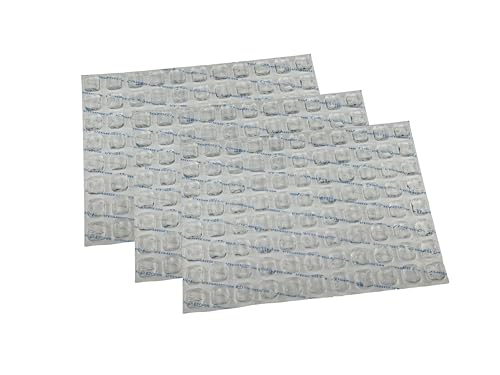
The FlexiFreeze sheets are the flexible pick in this guide, and their case is the sheet itself: a grid of water-filled cubes that bends, wraps, and cuts to fit. The pinned listing is the 3-pack of 88-cube sheets, identifier B001PTGO5A. Each sheet measures about 19.5 x 15.5 inches and holds 88 individual cubes of pure water, joined by channels that stay flexible even when frozen, so the sheet can be draped over food, wrapped around a bottle, or laid flat as a cold layer in a cooler. The sheets are BPA-free, made of food-grade plastic, and filled with water only, so there is no chemical gel to worry about if a sheet is cut or a cube leaks. A sheet can be cut to just the right size for a small cooler or a lunch bag, and the cut pieces keep working, which makes one sheet cover several small jobs at once.
Two cautions belong with this pick. First, the maker sells the same sheets in 3-pack, 4-pack, 6-pack, and 12-pack options, plus a 44-cube 4-pack and smaller lunch-size sheets, so confirm the listing before ordering: the pinned identifier is the 3-pack of 88-cube sheets, not the 44-cube version and not a different pack count. Second, a sheet must be frozen flat, which takes a full freezer shelf and about half a day, so a buyer with a crowded freezer should freeze one sheet at a time and keep a second set of packs ready for the days the sheets are still freezing. A buyer who needs a hard block for a large cooler should look at the YETI ICE pick instead, and a buyer who needs a panel that holds frozen food frozen should look at the Arctic Ice pick. For a buyer who packs delicate food, awkward bottles, and coolers with gaps a hard block cannot reach, the FlexiFreeze sheets are the pick.
The water fill deserves a plain explanation. Most reusable packs are filled with gel, and gel works well, but it raises a question every time a pack is cut or punctured: what is inside, and is it safe near food. A sheet filled with pure water answers that question before it is asked. Water is the same fill as ordinary ice, so a cut sheet leaks water and nothing else, and a cube that bursts over food is no different from a melting ice cube. The sheet is also the most flexible form in this guide, because the channels between the cubes bend even when the cubes themselves are frozen solid, so the sheet can be wrapped around a bottle or folded over a tray in a way no hard block and no gel pouch can match. The trade is cold life: water warms at the same rate as ordinary ice, so a sheet will not hold a cooler cold as long as a phase-change panel of the same weight. A buyer who packs fruit, desserts, and bottles should look at this one first, because the water fill and the flexible sheet are the parts that solve that problem together.
Specs
- Type: Flexible reusable ice sheet
- Pack size: 3 sheets, 88 cubes per sheet
- Sheet size: About 19.5 x 15.5 inches
- Material: Food-grade plastic, BPA-free
- Fill: Pure water, no gel
- Best for: Delicate food, bottles, coolers with gaps, lunch bags
- Care: Freeze flat, cut to fit, refreeze after use
- Tier: Mid-range
Safety and Checks Before You Order
No CPSC recall covers any of the five picks in this guide, and no recall covers the YETI ICE, the Arctic Ice Tundra Series, the Cooler Shock packs, the Healthy Packers Original Cool Pack, or the FlexiFreeze sheets named here. The records below are named with precise scope because the ice-pack class carries recalls that are easy to misread, and each record defines a boundary worth knowing before ordering.
The California Innovations recall is the one most often misread for this guide, because it concerns gel packs for lunch boxes and coolers. CPSC recall 12-195 from June 2012 covers Cryofreeze ice and hot packs and Arctic Zone ice packs sold between July 2007 and December 2008, because damaged packs could leak gel that might cause illness if swallowed in large amounts. It covers those two brands only, and no pick in this guide is a Cryofreeze or Arctic Zone pack, so this guide falls outside that recall. The name Arctic Zone is also a different brand from Arctic Ice, and the two should not be confused: the Arctic Ice Tundra Series in this guide is not covered by the Arctic Zone recall. A buyer who owns an old Cryofreeze or Arctic Zone pack should stop using it and follow the recall notice, but a YETI, Arctic Ice, Cooler Shock, Healthy Packers, or FlexiFreeze pack is not covered.
The medical gel-pack records are the ones most often misread for reusable packs in general. The FDA Class 2 recalls from 2022 cover Cardinal Health reusable gel packs, and the reason given is labeling: the packs should not be used on infants and newborns, and a caution statement was added to the labeling. Those records cover Cardinal Health medical packs only, and no pick in this guide is a Cardinal Health product, so this guide falls outside those records. A buyer who uses a gel pack on a small child should keep the pack inside a lunch bag or cooler rather than placing it directly against the skin, and should follow the maker guidance on the pack itself, but a cooler pack from another maker is not covered by the Cardinal Health records.
The care notes are the ones most often skipped for this class, and they matter more than any recall here. Every pack in this guide should be inspected before each use: look for cracks, swelling, damp spots, or a seam that has come apart, and retire any pack that shows damage instead of using it again. A gel pack that leaks should be thrown away, because the gel inside is not food, while a water-filled FlexiFreeze sheet that leaks only water can be wiped down and used again. Freeze packs flat so they are ready to stack, keep at least one spare frozen for the day the main set is still thawing, and wipe each pack clean after use so it does not carry food residue into the freezer. A pack that is inspected, frozen flat, and rotated with a spare lasts for years. A pack that is tossed into a drawer while still damp does not.
Three checks belong to the buyer, not to the recall database. First, confirm the exact listing before ordering: each pick here is pinned to one size and one pack count, and the listing families around them carry different identifiers for other sizes and counts. The YETI ICE pick is the 1 lb block, not the 2 lb or 4 lb size. The Arctic Ice pick is the Medium 1.5 lb Tundra panel, not the small, large, or extra-large size. The Cooler Shock pick is the 5-pack for lunch bags, not a large cooler size. The Healthy Packers pick is the set of 4 Original Cool Packs, not a set of 8 or 10 and not a pouch version. The FlexiFreeze pick is the 3-pack of 88-cube sheets, not the 44-cube version. Second, check the live offer before ordering: the listing records behind these identifiers were confirmed through Amazon listing data rather than a live page open, and the crawls behind them run from about 190 days to about 340 days old, so confirm that each one is orderable before relying on it for a trip. The Healthy Packers crawl is the oldest of the five, so that one deserves the closest look. Third, match the pack to the cooler before the first trip: a hard block needs a cooler with room for it, a slim pack needs a lunch bag with a flat wall, and a sheet needs a freezer shelf it can lie flat on. A pack that matches its cooler disappears into the day. A pack that does not becomes the thing the buyer thinks about at every stop.
Frequently Asked Questions
How many ice packs do I need for a cooler?
A small to medium cooler for a day trip usually needs one or two hard blocks, or one phase-change panel laid flat on the bottom, with slim packs filling the gaps around the food. A large cooler for a long day needs two blocks or panels placed on opposite sides so the cold spreads evenly, plus a slim pack or a sheet for the top layer. A lunch bag needs one slim pack, or two on a hot day. The honest rule is to pack cold around the food, not under it alone: cold rises slowly and spreads sideways, so packs on two sides beat a single pack on the bottom.
Are reusable ice packs better than loose ice?
Reusable packs are better whenever the cooler needs to stay dry, because they cool without leaving meltwater behind, and they can be refrozen and used again for years. Loose ice is better when a cooler needs to be filled around an awkward load in a hurry, or when the trip is a single day and the cooler will be emptied and cleaned anyway. Many experienced packers use both: a hard block or a panel for steady cold, and a bag of loose ice to fill the gaps around bottles. A buyer who hates draining a cooler should take reusable packs. A buyer who needs maximum cold in a hurry should add loose ice as well.
Can I cut a FlexiFreeze sheet to fit my cooler?
Yes, and that is one of the main reasons to buy the sheets. Each sheet is a grid of 88 water-filled cubes joined by flexible channels, and the sheet can be cut along the channels to just the right size for a small cooler or a lunch bag, with the cut pieces still working as smaller packs. The fill is pure water, so a cut leaks water and nothing else. Freeze the sheet flat before cutting, and freeze the cut pieces flat afterward so they stay usable. A buyer who packs several small bags should cut one sheet into pieces and keep the other sheets whole for larger coolers.
How long should I freeze an ice pack before a trip?
A slim gel pack is usually ready after a night in the freezer, about eight to twelve hours. A hard block needs longer, often a full day, especially in a crowded freezer where the air cannot move around it. A large phase-change panel needs the longest, a full day or more, because its fill freezes colder than ordinary ice and needs more time to reach that point. Freeze packs flat, leave space around them for air to move, and keep a spare set frozen so the cooler is never waiting on the freezer. A pack that went into the freezer yesterday is a pack that is ready today.
Conclusion
The best ice pack is the one that matches how the cooler is packed and what the food inside needs, because the form is what differs across this guide and the size is what decides whether the pack fits the cooler. For most buyers, that is the YETI ICE in 1 lb: the hard block with a break-resistant shell, a fast freeze, and a shape that anchors a small to medium cooler for day trips, beach days, and car camping. For frozen food that must stay frozen, add the Arctic Ice Tundra Series in Medium 1.5 lb with its phase-change fill that freezes colder than ordinary ice. For lunch bags and small coolers, the Cooler Shock 5-pack gives five slim gel packs that rotate through the week. For thin hard packs that slip beside a sandwich and stack flat in the freezer, the Healthy Packers Original Cool Pack set of 4 closes the lunch-box case. And for delicate food, bottles, and coolers with gaps a hard block cannot reach, the FlexiFreeze 88-cube sheets in a 3-pack wrap, drape, and cut to fit. Confirm the exact size and pack count on every listing, check the live offer on every identifier, inspect each pack before use, and freeze the set flat the night before the trip.