Our Short List of 3

- Brand: Microplane
- Product: Flexi Zesti Handheld Citrus Zester, Orange
- Blade: Photo-etched stainless steel, made in the United States
- Body: Flexible silicone top with collecting dish
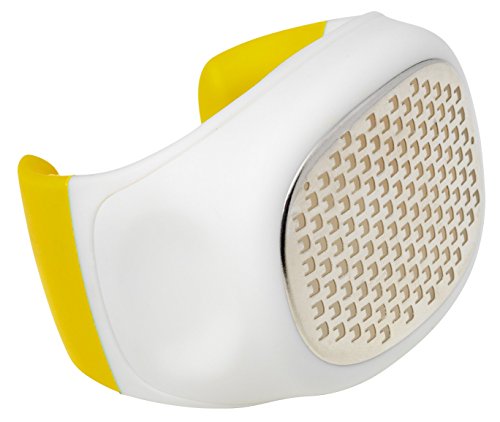
- Brand: Chef’n
- Product: Palm Zester, Yellow
- Blade: Stainless steel, fine teeth
- Body: Compact palm-held shape
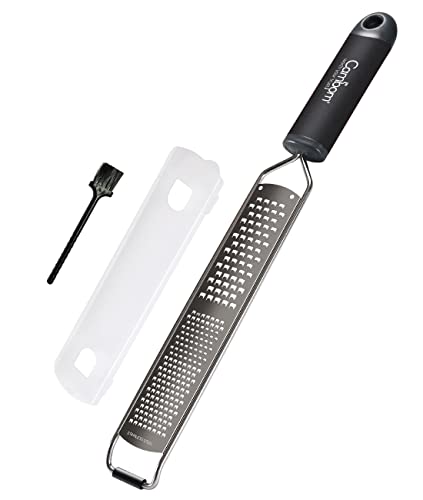
- Brand: Cambom
- Product: Zester Grater, Black
- Blade: 304 stainless steel, fine teeth
- Blade size: About 11.8 x 1.45 inches
All 5 Picks at a Glance
| Product | Specs | Action |
|---|---|---|
| 1. Microplane Flexi Zesti Handheld Citrus Zester, Orange |
| Check price on Amazon |
| 2. Chef’n Palm Zester, Yellow |
| Check price on Amazon |
| 3. Cambom Zester Grater, Black |
| Check price on Amazon |
 4. Kitchendao Citrus Lemon Peeler Zester Tool, Yellow |
| Check price on Amazon |
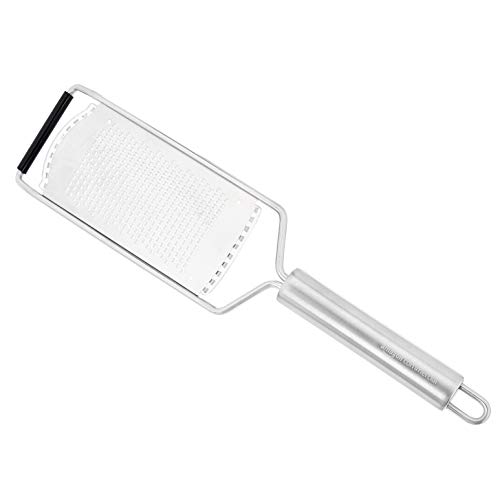 5. Amazon Basics Rectangular Stainless Steel Fine Grater and Zester, Black |
| Check price on Amazon |
Key takeaways
- Five zesters compared for citrus, hard cheese, ginger and baking, from a palm-held rasp to a wide-blade grater, with blade, handle and cleaning notes.
The best zester for most home cooks is a fine rasp that lifts thin threads of citrus peel without digging into the bitter white pith, and that also handles hard cheese, ginger, garlic, nutmeg and chocolate when a recipe calls for them. A good zester does that work with light pressure, a handle or body that stays secure in a damp hand, and teeth that rinse clean in seconds. A poor one tears the peel, clogs after a few strokes, or forces the cook to press hard enough to slip.
As an Amazon Associate, we earn from qualifying purchases.
This guide compares five zesters that cover the main shapes a kitchen actually needs: a palm-held flexible rasp that follows the curve of a lemon, a compact palm grater for quick jobs, a long handled rasp for batch baking, a bar tool that peels and zests for cocktails, and a wide rectangular fine grater for cheese and citrus alike. Each one is judged on blade fineness, control, cleaning, storage and the jobs it suits best, so the choice comes down to how much zesting you do and where you do it.
Table of Contents
- Quick Answer
- 1. Microplane Flexi Zesti Handheld Citrus Zester, Orange
- 2. Chef’n Palm Zester, Yellow
- 3. Cambom Zester Grater, Black
- 4. Kitchendao Citrus Lemon Peeler Zester Tool, Yellow
- 5. Amazon Basics Rectangular Stainless Steel Fine Grater and Zester, Black
- How to Choose
- Who Should Skip
- Care and Cleaning
- Frequently Asked Questions
- Conclusion
- Product and ASIN Reference
Quick Answer
For most home cooks, the Microplane Flexi Zesti Handheld Citrus Zester in orange is the best first zester, because its flexible silicone body curves around a lemon or lime, its photo-etched stainless steel blade cuts fine threads with light pressure, and the zest collects in a small dish underneath instead of scattering across the counter. Cooks who zest in larger batches should choose the Cambom Zester Grater, whose long handled rasp covers more peel per stroke. The Chef’n Palm Zester is the best compact pick for a small drawer or a quick garnish, the Kitchendao Citrus Lemon Peeler Zester Tool is the best pick for cocktails and wide peel twists, and the Amazon Basics Rectangular Stainless Steel Fine Grater and Zester is the best wide-blade pick for hard cheese and citrus in the same tool.
1. Microplane Flexi Zesti Handheld Citrus Zester, Orange
- Brand: Microplane
- Product: Flexi Zesti Handheld Citrus Zester, Orange
- Blade: Photo-etched stainless steel, made in the United States
- Body: Flexible silicone top with collecting dish
The Microplane Flexi Zesti is the most distinctive zester in this guide, and its shape is the reason it works so well. Instead of a long handle and a flat blade, it is a small semicircular tool that sits in the palm of the hand, with a flexible silicone top that bends to follow the curve of a lemon, lime or orange. The stainless steel blade is made in the United States and uses the photo-etched cutting edges the brand is known for, so it shaves fine, feathery threads of peel with very little pressure. Because the tool flexes with the fruit, the blade stays in contact with the peel through the whole stroke, and the cook does not have to rotate the fruit as often or press the tool flat against a round surface.
The collecting dish is the second feature that sets this zester apart. Fresh zest falls from the blade into a small chamber underneath the silicone top, and that chamber holds about one teaspoon of zest. To use it, the cook pulls off the silicone top and turns the tool upside down over a bowl or a finished dish. That keeps the zest together instead of letting it drift across the counter, and it makes measuring easier when a recipe calls for a set amount of lemon or lime zest. For a single lemon for a cake batter or a lime for a marinade, one chamber is usually enough, and the cook can empty it and keep going for a second fruit.
Control is the third strength. The ergonomic profile rests in the palm, which gives the cook a secure grip even when the fruit is wet or the hands are damp from washing produce. Short, controlled strokes work best: hold the fruit in one hand, press the zester lightly against the peel, and move it in one direction. The blade cuts cleanly without tearing, and because the tool is small, it is easy to keep the fingertips well away from the teeth. Cooks who find long rasp handles awkward, or who have small hands, often prefer this palm-held shape to a twelve-inch rasp.
The limits follow from the compact size. The blade is short, so zesting a large batch of citrus for marmalade, a big cake order or a freezer stock of zest takes more strokes than a long handled rasp would. The chamber holds only about one teaspoon, so it must be emptied often during a long session. The flexible silicone top also needs a little practice: pressing too hard flattens the curve and can push the blade into the pith, while a light touch lets the teeth do the work. Once the rhythm is learned, the tool is fast for everyday amounts, but it is not the pick for bulk zesting.
Cleaning is simple. The tool is dishwasher safe, and a quick rinse under running water right after use clears the teeth before the zest dries and sticks. A soft brush helps if cheese or ginger has been grated, because the fine teeth hold small particles. The orange color is easy to spot in a drawer, and the tool is also sold in yellow and green, so a household can keep one color for citrus and another for garlic or ginger if cross-flavor transfer is a concern. Storage is easy too: the compact shape fits in a utensil drawer, a small crock or a travel kit for a holiday rental kitchen.
This zester also grates hard cheese, garlic, ginger, nutmeg and chocolate, though its small blade makes it slower than a long rasp for a whole block of Parmesan. It is at its best for citrus zest, where the flexible shape and the collecting dish matter most. For cocktails, the fine threads it produces dissolve quickly into a drink or sit neatly on top of a dessert, and for baking, the even threads distribute through batter without clumping.
2. Chef’n Palm Zester, Yellow
- Brand: Chef’n
- Product: Palm Zester, Yellow
- Blade: Stainless steel, fine teeth
- Body: Compact palm-held shape
The Chef’n Palm Zester is a compact palm grater that takes a different approach to the same job: a small, rounded tool with stainless steel blades that fits in the palm and works with short strokes over a bowl or a board. The yellow body is easy to find in a drawer, and the shape is simple enough that a cook can pick it up and use it without reading instructions. Hold the fruit steady, press the blade lightly against the peel, and draw the tool across the surface. The teeth cut fine threads of zest that fall where the cook aims them, and the same blade grates hard cheese, garlic, ginger and nutmeg.
The main advantage of this design is its size. It takes up almost no drawer space, it travels well in a picnic basket or a holiday kitchen kit, and it is a sensible second zester for a household that already owns a long rasp but wants something quicker for a single lemon. It also suits cooks who prefer to zest directly over a pan or a bowl, because the short body gives good control over where the zest lands. The rounded shape has no long handle to bump into a cabinet or a shelf, and the tool can be stored in a small crock with other hand tools.
The blade is the part that matters most, and this one is stainless steel with fine teeth that cut rather than tear. Fine teeth matter because torn peel carries more pith, and pith is bitter. A sharp, fine blade lifts only the colored outer layer, which holds the aromatic oils that give lemon, lime and orange zest their flavor. For baking, that means the zest blends into batter and frosting without bitter notes. For savory cooking, it means a lime zest garnish adds brightness to a finished dish instead of a harsh edge.
The compact size also sets the limits. Like the Flexi Zesti, this is a small blade, so a large batch takes more strokes than a long handled rasp. The tool has no collecting chamber, so the zest falls freely and the cook needs a bowl or a board underneath to catch it. The handle area is short, so cooks with large hands may find the grip less comfortable over a long session, and the tool works best when the fruit is held firmly and the strokes stay short and light. Pressing hard does not make it cut faster; it only pushes the teeth into the pith and tires the hand.
Cleaning is straightforward. Rinse the blade under running water as soon as the zesting is done, before the zest dries into the teeth. A soft brush clears any cheese or ginger that sticks. The tool is made for everyday kitchen use, and keeping it clean and dry between uses keeps the blade keen. A blade cover is not included, so store it with the teeth facing away from other utensils, or slip it into a small pouch if the drawer is crowded. That one habit protects both the blade and the cook reaching into the drawer.
This is a good pick for a first zester when the budget is tight and the kitchen is small, and it is a good backup for a cook who already owns a long rasp. It does the core job well, it asks for very little storage space, and it handles the everyday citrus jobs that most recipes call for: a lemon for a roast chicken, a lime for a salsa, an orange for a cake.
3. Cambom Zester Grater, Black
- Brand: Cambom
- Product: Zester Grater, Black
- Blade: 304 stainless steel, fine teeth
- Blade size: About 11.8 x 1.45 inches
The Cambom Zester Grater is the long handled rasp in this guide, and length is its main advantage. The blade measures about 11.8 x 1.45 inches, which gives the cook a long cutting surface and a full stroke across a lemon or a block of hard cheese. Fewer strokes finish the job, which matters when a recipe calls for the zest of four lemons, a cup of grated Parmesan, or a batch of ginger for a marinade. The stainless steel is food grade 304 stainless, and the teeth are sharp enough to cut fine threads with light pressure.
The handle is the second feature worth noting. It is a non-slip grip that stays secure when the hands are damp, and the tool has a protective cover for the blade, so it can be stored in a drawer without the teeth catching on other utensils or on a hand reaching in. The cover also protects the teeth themselves, which stay sharper longer when they are not knocked against other tools. For a household that zests often, that cover is a practical detail rather than a luxury.
In use, the long rasp suits a board or a bowl. Rest the tip on the board, hold the handle, and draw the fruit down the blade in smooth strokes. The zest falls onto the board or into the bowl below, and the cook can gather it with a knife or a bench scraper. For hard cheese, the same motion produces fluffy shreds that melt quickly into pasta, soup or a baked dish. For chocolate, the fine teeth make delicate curls and dust for desserts. For ginger and garlic, the rasp turns the root or the clove into a fine pulp that blends into a sauce without chunks.
The length that makes this tool fast also makes it the largest in the guide, so it needs a drawer long enough to hold it or a crock tall enough to stand it in. The blade is exposed during use, so the cook should keep fingertips on the handle and on the fruit, never near the teeth. The tool is best for cooks who zest and grate several times a week, or who cook in larger batches, because its speed only pays off when the job is big enough to need it. For a single lemon, a palm zester is quicker to grab and put away.
Cleaning needs a little attention because the blade is long and the teeth are fine. Rinse under running water immediately after use, and use a soft brush to clear any cheese or ginger caught in the teeth. Let the blade dry fully before sliding the cover back on, so moisture does not sit against the steel. With that care, the blade stays keen and the tool lasts through many seasons of baking and everyday cooking.
This is the best pick in the guide for batch work. It is also the most versatile for grating, because the long blade handles cheese, chocolate, ginger, garlic, nutmeg and citrus with the same motion. Cooks who bake often, who cook for a family, or who like to keep a jar of mixed citrus zest in the freezer will get the most from it.
4. Kitchendao Citrus Lemon Peeler Zester Tool, Yellow
- Brand: Kitchendao
- Product: Citrus Lemon Peeler Zester Tool, Yellow
- Blade: Stainless steel, ultra sharp
- Functions: Peeler for wide citrus twists, zester for fine threads
The Kitchendao Citrus Lemon Peeler Zester Tool is the bar tool in this guide, and it earns its place by doing two jobs that a plain rasp cannot. One end peels wide strips of citrus rind for cocktail twists, and the grating surface zests fine threads for drinks, desserts and cooking. That combination suits a home bar, a cocktail enthusiast, or a cook who likes to finish a dish with a wide twist of orange peel over a drink or a dessert.
The peeler end is the feature that sets it apart. A wide peel, twisted over a glass, releases aromatic oils onto the surface of a drink, and the same wide strips garnish a cake, a custard or a plate of roasted fruit. The zester end then handles the fine work: lemon zest for a martini rim, lime zest for a margarita, orange zest for an old fashioned. Because the tool is small and light, it is easy to hold over a glass and aim the zest where it should land.
The yellow body is easy to spot on a bar cart or in a drawer, and the compact size means it can live with the bottle opener, the jigger and the muddler rather than in the main utensil drawer. The blade is stainless steel and ultra sharp, so light pressure is enough; pressing hard only risks cutting into the pith and adding bitterness to a drink. Short, controlled strokes work best, and the cook should keep the fingertips well clear of the cutting edge.
The limits are the same as any small combination tool. The grating surface is shorter than a long rasp, so it is slower for batch baking or for grating a whole block of cheese. The peeler end is designed for citrus rind, not for peeling potatoes or carrots, and using it on firmer produce will dull the edge faster. It is a specialist tool, and it is at its best when the job is garnish and flavor rather than bulk grating.
Cleaning is quick because the tool is small. Rinse it under running water right after use, and brush the grating teeth if zest or cheese has stuck in them. Dry it before storing it with other bar tools, and keep the blade covered or facing away from other utensils in the drawer. A small tool like this is easy to lose in a crowded drawer, so a dedicated spot on a bar cart or in a small container keeps it within reach when a drink needs a twist.
For a household that makes cocktails, this is the most useful pick in the guide. It replaces two tools with one, it handles both wide peels and fine zest, and it is small enough to keep beside the glasses rather than buried in a drawer. For a cook who never makes cocktails, the long rasp or the palm zester will be more useful, but for a bar, this tool is the right shape.
5. Amazon Basics Rectangular Stainless Steel Fine Grater and Zester, Black
- Brand: Amazon Basics
- Product: Rectangular Stainless Steel Fine Grater and Zester, Black
- Blade: Stainless steel, fine teeth
- Shape: Wide rectangular blade
The Amazon Basics Rectangular Stainless Steel Fine Grater and Zester is the wide-blade pick in this guide, and width is its main advantage. Instead of a narrow rasp, it offers a broad rectangular grating surface that covers more of a lemon or a block of cheese with each stroke. That makes it fast for hard cheese, where a wide blade turns a block of Parmesan into fluffy shreds in a few passes, and it is equally useful for citrus zest, ginger, garlic, nutmeg and chocolate.
The rectangular shape also suits a different grip. The cook holds the handle and works the tool over a bowl or a board, or rests the far end on the board and draws the food down the blade. The wide surface stays stable under pressure, and the black handle is easy to grip when the hands are damp. Because the blade is flat and wide, the zest and shreds fall in a neat pile instead of scattering, and the cook can see how much has been grated at a glance.
The fine teeth are the key detail. Fine teeth cut citrus peel into thin threads without tearing, and they turn hard cheese into light shreds that melt quickly. Coarser teeth would be faster for soft cheese or vegetables, but they would tear citrus peel and pull in pith, so a fine blade is the right choice for a tool that must handle both zest and cheese. This is a good general-purpose grater for a kitchen that wants one tool for several jobs rather than a drawer full of specialists.
The wide blade also sets the limits. The tool is larger than a palm zester, so it needs more drawer space, and it is heavier in the hand over a long session. It has no collecting chamber, so the cook needs a bowl or a board underneath. The blade is exposed during use, so fingertips must stay on the handle and on the food, and the tool should be stored with the teeth facing away from other utensils or with a cover if one is available.
Cleaning is simple. Rinse the blade under running water right after use, before the zest or cheese dries into the teeth, and use a soft brush for anything that sticks. The stainless steel blade resists staining from citrus and chocolate, and the tool dries quickly if it is left blade-up in a rack. With regular rinsing and drying, the teeth stay sharp and the tool serves for everyday cooking, baking and cheese grating alike.
This is the best pick in the guide for a cook who grates more cheese than citrus, or who wants one wide tool that handles both. It is also a sensible first grater for a new kitchen, because it covers the most common jobs without asking the cook to learn a specialist shape. Pair it with a palm zester for garnish work, and the two tools cover almost every zesting and grating job a home kitchen needs.
How to Choose
Begin with the job you do most. If most of your zesting is a lemon for a cake, a lime for a salsa, or an orange for a roast, a palm-held zester is enough, and the Flexi Zesti or the Chef’n Palm Zester will do it well. If you bake in batches, grate cheese often, or cook for a family, a long handled rasp like the Cambom or a wide blade like the Amazon Basics tool will finish the work faster. If you make cocktails, add the Kitchendao peeler and zester for wide twists and fine garnish.
Next, look at the blade. Fine, sharp teeth cut clean threads and leave the pith behind. Photo-etched or etched stainless steel teeth stay keen longer than stamped teeth, and they cut with less pressure, which keeps the hand from tiring and the fruit from slipping. A blade that feels rough or dull in the shop will tear peel and pull in bitter pith, so sharpness matters more than any other feature.
Then check the grip and the shape. A handle should feel secure when the hands are damp, and the tool should balance so the blade, not the wrist, does the work. A palm-held tool should fit the hand without forcing the fingers near the teeth. A long rasp should have a tip that can rest on a board for stability. A wide grater should sit flat and steady over a bowl. If the tool feels awkward in the first few strokes, it will stay awkward, and a different shape will serve better.
Cleaning and storage come next. Fine teeth clog, so a tool that rinses clean quickly will be used more often than one that needs scrubbing. A blade cover protects the teeth and the cook, and it matters most for long rasps stored in a crowded drawer. A collecting chamber helps when a recipe calls for a measured amount of zest, and it keeps the counter tidy. A compact tool fits a small kitchen, while a long rasp needs a drawer or a crock tall enough to hold it.
Finally, think about the other jobs the tool will do. A zester that also grates hard cheese, ginger, garlic, nutmeg and chocolate earns its drawer space faster than a tool that only zests citrus. All five picks in this guide handle more than citrus, but the long rasp and the wide blade handle the most, and the bar tool handles the least. Match the range to the cooking you actually do, and the tool will be reached for often instead of sitting unused.
Who Should Skip
A cook who never uses citrus zest, grated hard cheese, fresh ginger or nutmeg does not need a dedicated zester. A box grater with a fine side, or a vegetable peeler used carefully, can cover the rare occasion when a recipe calls for a little zest. Buying a specialist tool for a job done once a year wastes drawer space and money that could go to a tool used weekly.
A cook who only zests for cocktails should skip the long rasp and the wide blade, and choose the bar tool or the palm zester instead. The long tools are faster for batches, but they are awkward over a glass, and their size makes them hard to store on a bar cart. A small tool that lives beside the glasses will be used more often than a large one stored in another room.
A household with very young children who help in the kitchen should keep zesters out of reach and supervise any use, because the teeth are sharp enough to cut skin. A zester is not a first tool for a child learning to cook. An adult should do the zesting, or an older child should use it only with close supervision and with the fruit held firmly.
A cook with limited hand strength should test the grip before settling on a tool. A palm-held zester needs a firm squeeze, while a long rasp with a resting tip lets the board carry some of the pressure. The OXO-style framed tools are not in this guide, but the same idea applies here: choose the shape that lets the board or the bowl take the load, and avoid tools that demand a hard grip for every stroke.
Care and Cleaning
Rinse a zester under running water as soon as the job is done. Citrus zest, cheese and ginger dry quickly in fine teeth, and dried food is much harder to remove than fresh food. Hold the blade under the tap with the teeth pointing down, so the water carries the particles away from the cutting edge rather than into it.
Use a soft brush for anything that stays behind. An old toothbrush kept for kitchen use works well, and a pastry brush can clear the teeth without bending them. Brush in the direction of the teeth, not against them, and rinse again. Avoid scouring pads and steel wool, which dull the cutting edges and shorten the life of the blade.
Dry the tool fully before storing it. Stainless steel resists staining, but moisture left in a drawer or under a blade cover can leave spots and dull the edge over time. Stand the tool blade-up in a rack for a few minutes, or dry it with a clean cloth. Replace the blade cover only when the blade is dry.
Store the blade so it cannot cut a hand reaching into the drawer. A cover, a sheath, a small pouch, or a slot in a knife block all work. Keep the teeth facing away from other utensils, and do not stack heavy tools on top of a zester. With rinsing, brushing, drying and covered storage, a good zester stays sharp for years of everyday use.
Frequently Asked Questions
What is the best zester for a beginner?
A palm-held zester with a fine blade is the best first choice, because the short strokes and the secure grip make it easy to remove zest without digging into the pith. The Microplane Flexi Zesti is a strong example, with a flexible body that follows the curve of the fruit and a collecting dish that keeps the zest together.
Can one zester handle citrus, cheese, ginger and chocolate?
Yes, a fine stainless steel rasp handles all of them, because the same sharp teeth that shave citrus peel also grate hard cheese, ginger, garlic, nutmeg and chocolate. The long Cambom rasp and the wide Amazon Basics grater are the most versatile in this guide, while the bar tool is best kept to citrus and garnish.
How do I zest without getting bitter pith?
Use light pressure and short strokes, and lift the tool before the blade reaches the white layer under the colored peel. Turn the fruit often so the blade always meets fresh peel, and stop when the colored layer is gone. A sharp, fine blade makes this easy, while a dull blade tears the peel and pulls in pith.
How do I clean a zester so the teeth stay sharp?
Rinse the blade under running water right after use, brush the teeth gently in the direction they cut, and dry the tool fully before storing it with its cover on. Avoid scouring pads, which dull the edges, and never soak a zester with other sharp tools that can knock against the teeth.
Conclusion
The best zester is the one that matches the cooking you do most, and this guide covers the main shapes so that match is easy to find. The Microplane Flexi Zesti is the best first pick for most home cooks, because its flexible body follows the fruit, its fine blade cuts clean threads, and its collecting dish keeps the zest together. The Chef’n Palm Zester is the best compact pick for a small kitchen or a quick garnish. The Cambom Zester Grater is the best pick for batch baking and frequent grating, with a long blade that finishes large jobs fast. The Kitchendao Citrus Lemon Peeler Zester Tool is the best pick for cocktails, with a peeler for wide twists and a zester for fine garnish. The Amazon Basics Rectangular Stainless Steel Fine Grater and Zester is the best wide-blade pick for hard cheese and citrus in one tool. Choose the shape that fits your hand and your recipes, rinse it clean after every use, and store it covered, and it will serve the kitchen for years.
Product and ASIN Reference
| Product | ASIN |
|---|---|
| Microplane Flexi Zesti Handheld Citrus Zester, Orange | B01L9AXKA6 |
| Chef’n Palm Zester, Yellow | B00OLV1VUW |
| Cambom Zester Grater, Black | B08C27KFVD |
| Kitchendao Citrus Lemon Peeler Zester Tool, Yellow | B08F9HCD6R |
| Amazon Basics Rectangular Stainless Steel Fine Grater and Zester, Black | B087QFFFGV |